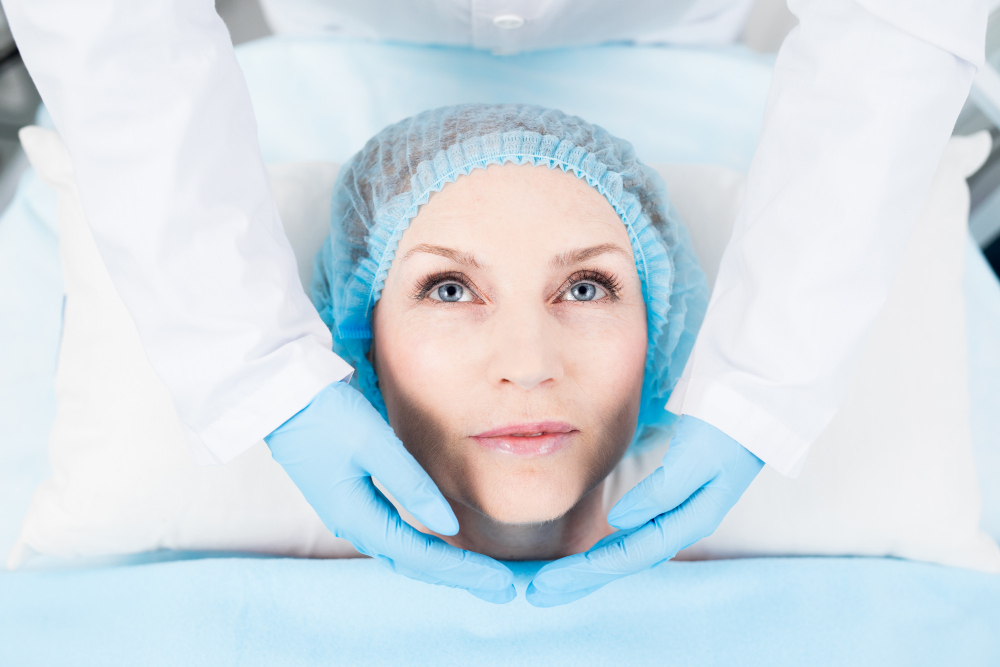
Post-traumatic reconstruction is a specialized branch of reconstructive surgery focused on restoring form and function following injuries caused by accidents, burns, falls, or other physical trauma. Such injuries may affect the skin, soft tissues, muscles, or underlying structures, leading not only to aesthetic concerns but also to functional impairment.
The primary objective of post-traumatic reconstruction is to repair damaged tissues, improve structural integrity, and achieve the most natural and harmonious outcome possible — both functionally and aesthetically.
This treatment may be suitable for patients who:
- Have sustained facial or body injuries due to trauma
- Experience visible deformities following accidents
- Have soft tissue loss or contour irregularities
- Present with scar contractures affecting mobility
- Seek restoration of both appearance and function
Comprehensive Evaluation & Individualized Planning
Each case of trauma is unique and requires a meticulous assessment. During consultation, the following are carefully evaluated:
- Extent of tissue damage
- Presence of scar contracture
- Functional limitations
- Skin quality and vascular supply
- Overall anatomical balance
A personalized surgical plan is developed based on the severity and location of injury. Depending on the case, reconstruction may involve:
- Scar revision and tissue rearrangement
- Local or regional flap reconstruction
- Skin grafting
- Structural repair of underlying tissues
- Staged reconstructive procedures
The goal is to restore both structural support and natural contour while minimizing visible scarring.
Surgical Approach & Safety
Post-traumatic reconstruction is performed in a fully equipped medical facility under strict safety standards. Surgical techniques are selected based on the complexity of the injury and may require advanced reconstructive methods to ensure durable and functional outcomes.
Particular attention is given to:
- Preserving or restoring mobility
- Ensuring adequate blood supply to reconstructed areas
- Achieving symmetrical and balanced contours
- Supporting long-term tissue stability
Every procedure prioritizes patient safety, structural restoration, and aesthetic harmony.
Recovery & Expected Outcomes
Recovery timelines vary depending on the complexity of reconstruction. Some cases may require staged procedures and long-term follow-up.
As healing progresses, patients typically experience:
- Improved structural integrity
- Enhanced functional capacity
- Reduced scar tension
- Refined aesthetic appearance
While complete restoration to pre-injury condition may not always be possible, the objective is to achieve the highest level of functional and aesthetic improvement.