Reconstructive surgery focuses on restoring form and function following trauma, congenital conditions, medical treatments, or structural abnormalities. Unlike purely aesthetic procedures, reconstructive interventions are primarily designed to repair damaged tissues, improve mobility, and re-establish anatomical integrity — while also considering aesthetic harmony.
The goal is not only physical restoration but also supporting overall well-being and confidence through careful, individualized surgical planning.
Reconstructive surgery may be recommended for patients who:
- Have sustained injuries due to accidents or trauma
- Underwent cancer-related surgery (such as mastectomy)
- Experience congenital anatomical differences
- Have functional limitations caused by scar contracture
- Require correction of structural deformities
Scope of Reconstructive Procedures
Reconstructive surgery encompasses a broad spectrum of procedures tailored to individual medical and anatomical needs.
Available treatments include:
- Post-Traumatic Reconstruction – Repair of soft tissue and structural damage following injury.
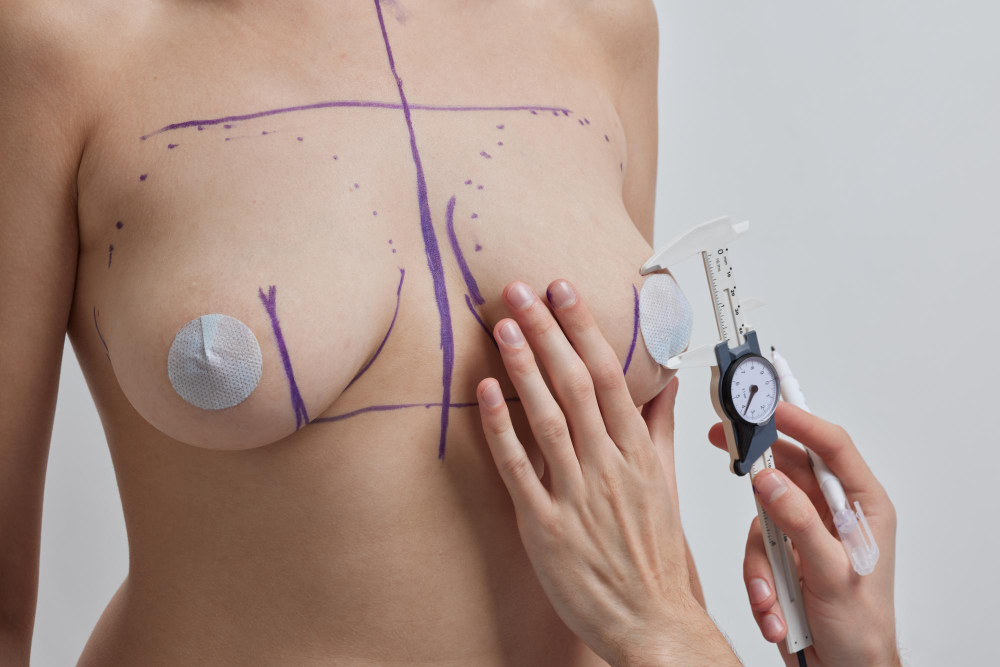
- Reconstructive Breast Surgery – Restoration of breast form following mastectomy or medical conditions.
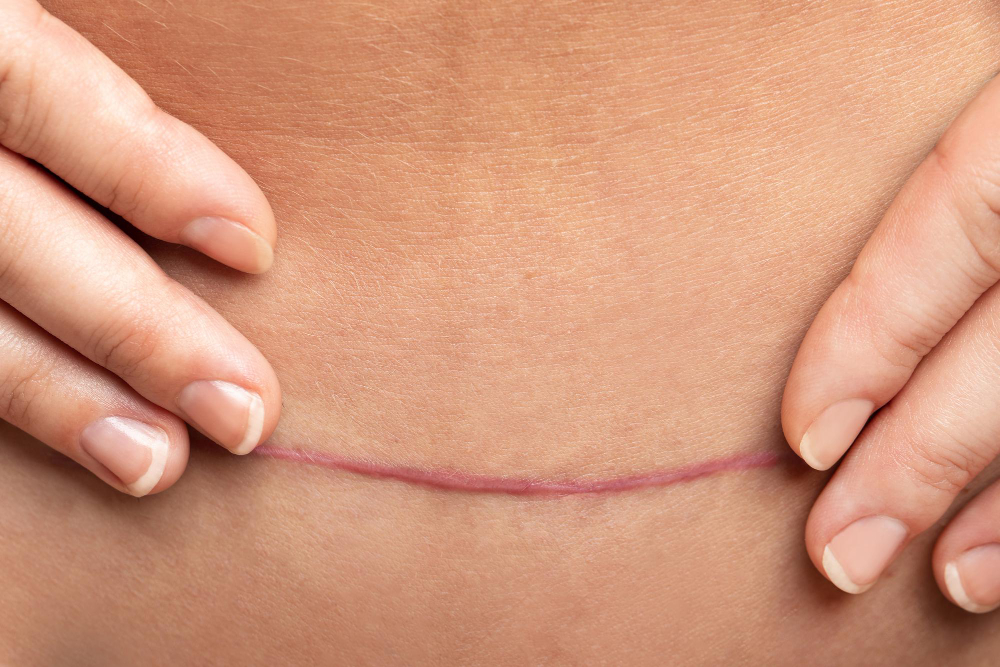
- Scar Revision – Improvement of scar appearance and functional restriction.
- Skin Lesion Excision – Safe removal of benign or suspicious skin lesions.
Each procedure is carefully planned to address both structural correction and long-term tissue stability.
Individualized Evaluation & Multidisciplinary Approach
A comprehensive assessment includes:
- Detailed medical history
- Extent of tissue involvement
- Functional limitations
- Skin and vascular integrity
- Long-term reconstructive strategy
In medically complex cases, reconstructive surgery may be coordinated with other specialists to ensure optimal outcomes.
Advanced techniques such as tissue rearrangement, flap surgery, grafting, and staged reconstruction are applied when necessary to achieve durable and functional results.
Safety & Recovery
All reconstructive procedures are performed in fully equipped medical facilities under strict safety standards. Recovery timelines vary depending on the complexity of the condition and surgical approach.
Patients often experience:
- Restoration of structural integrity
- Improved functional capacity
- Reduced discomfort or tissue restriction
- Enhanced aesthetic balance
While complete restoration may not always replicate pre-condition anatomy, reconstructive surgery aims to achieve the highest possible level of functional and aesthetic improvement.